Arabic Script: A Maker’s Guide to Using This Elegant Typeface in Handmade Design
Bringing Ramadan Candle Labels to Life with Arabic Script
As I sat at my desk adjusting the layout for a new line of Ramadan-themed candles, I knew the font choice would set the tone. I wanted something that felt authentic, warm, and a little mystical—something that whispered tradition while still feeling modern enough for today’s handmade buyer. That’s when I opened my design software and typed out “Ramadan Kareem” in Arabic Script. The result was instant magic.
What Makes Arabic Script Stand Out
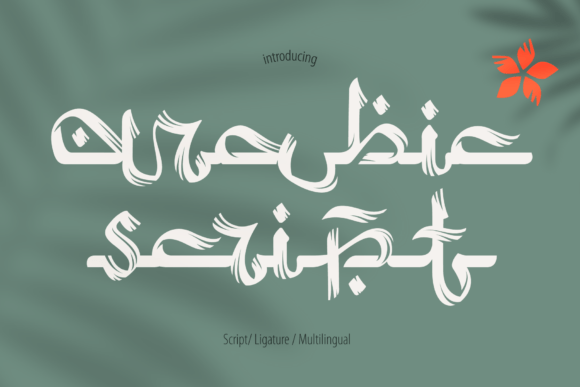
Arabic Script is a script font that draws its visual soul from classical Arabic calligraphy. It’s fluid, elegant, and full of movement. The letters connect like brushstrokes, with soft curves and deliberate swashes that give it a distinctive personality. Whether used for a short phrase or as a decorative accent, this font feels like it belongs in a storybook or a boutique window display.
Its charm lies in its ability to evoke emotion. It’s not just a font—it’s a mood. Romantic, spiritual, and rich with cultural depth, Arabic Script adds a layer of meaning to any design it touches. It’s ideal for makers who want to infuse their products with a sense of tradition, authenticity, or global flair.
Designing Real Products with Arabic Script
From candle labels to boutique tags, I’ve used Arabic Script across a variety of handmade items. Here are some of the ways it’s brought my designs to life:
- Wedding welcome boards – Used for the couple’s names and event dates, Arabic Script added a touch of elegance and cultural richness.
- Printable wall art – Perfect for short Islamic quotes or decorative phrases, the font gives a timeless feel to digital downloads.
- Seasonal greeting cards – For Eid or Ramadan, the font brings a warm, celebratory tone to both digital and printed cards.
- Boutique packaging tags – I paired it with a clean sans serif font to create contrast and balance on custom hang tags for handmade soaps.
Each time, the font elevated the product without overpowering it. It worked quietly in the background, enhancing the story I was telling through my design.
Why Font Choice Matters for Makers
For Etsy sellers, printables creators, and crafters, the font you choose can make or break your product’s perceived value. Arabic Script adds a level of sophistication that helps handmade items feel more premium. It also contributes to brand consistency—when customers see that same elegant script across your packaging, social media, and product tags, they begin to associate it with your unique style.
More importantly, it connects emotionally. Fonts are more than just letters—they’re part of your brand voice. Arabic Script speaks softly, warmly, and with intention. That’s a powerful tool when you’re trying to stand out in a sea of mass-produced goods.
Best Uses for Arabic Script
While Arabic Script is stunning, it’s best used as a display font rather than for long blocks of text. It shines brightest in short phrases, titles, names, and decorative accents. Here are some ideal applications:
- Product labels – Especially for candles, oils, or specialty foods with a Middle Eastern or Islamic theme.
- Wedding stationery – Use it for the bride and groom’s names or event titles.
- Digital printables – Ideal for quote posters, Ramadan planners, or Islamic-themed wall art.
- Seasonal tags – Perfect for Eid gift tags or Ramadan countdown cards.
Readability Tips for Real-World Use
If you’re using Arabic Script for stickers, labels, or small printables, test it at different sizes before finalizing your design. While the font is beautiful, some of the swashes and ligatures can get lost when scaled down. For cutting machines like Cricut or Silhouette, simplify the design or adjust the spacing to ensure clarity.
Also, preview how it looks on mockups. A font that looks amazing on screen might not translate well to a printed mug or tote bag. Always check the file formats included with the font—most premium versions offer OpenType features, alternate characters, and multilingual support, which are essential for professional results.
Pairing Arabic Script with Other Fonts
One of the joys of working with Arabic Script is seeing how it plays with other typefaces. To avoid visual clutter, I often pair it with a simple, clean font. Here are some pairings I’ve used successfully:
- With a sans serif – Great for product tags and packaging where clarity is key.
- With a serif font – Adds a classic, editorial feel to wedding invitations and greeting cards.
- With a bold display font – Creates contrast and visual interest in layered digital designs.
Experimenting with font pairings helps keep your designs fresh and dynamic while maintaining a cohesive brand identity.
What to Check Before Using Arabic Script Commercially
Before using Arabic Script in your commercial products, make sure you’ve reviewed the font’s licensing. Most premium fonts allow for commercial use, but it’s always best to double-check, especially if you’re selling:
- Physical products
- Digital printables
- Social media templates
- Cricut/Silhouette design files
- Merchandise like mugs or tote bags
Also, verify that the font includes alternate characters, ligatures, and swashes that give you design flexibility. File formats like OTF and TTF are standard and widely supported across most design software.
Final Thoughts
Whether you’re creating Ramadan candle labels, wedding stationery, or boutique packaging, Arabic Script is a font that adds cultural depth, elegance, and emotional resonance to your handmade products. It’s more than a typeface—it’s a storytelling tool that helps your creations stand out in a meaningful way.