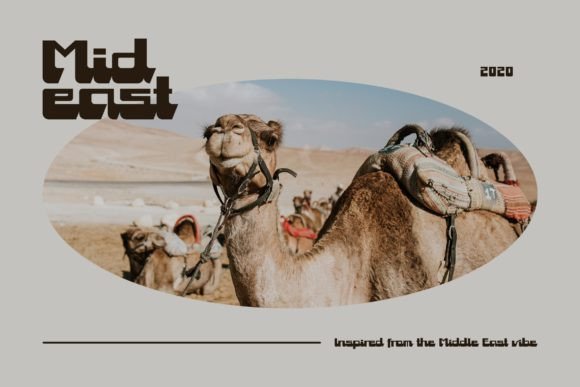
Mideast: A Bold Script Font for Modern Editorial Design
As a content creator who regularly designs newsletters, blog headers, and digital publications, I’m always on the lookout for fonts that add visual impact without compromising readability. Mideast, a script font inspired by Middle Eastern calligraphy, stands out for its strong personality and editorial versatility. Whether you're crafting a lifestyle blog, designing a digital magazine, or creating a printable planner, Mideast brings a distinctive aesthetic that can elevate your typographic choices.
Understanding the Style and Personality of Mideast
Mideast is not your average script font. Its design draws from the fluid strokes of Arabic calligraphy, translated into a modern, bold script that works across Latin characters. The result is a font that feels both expressive and grounded—ideal for designers who want to infuse cultural richness into their layouts without overwhelming the reader. It’s a Script Amp typeface that leans into visual storytelling, making it a strong candidate for titles, branding elements, and accent typography in editorial projects.
How Mideast Enhances Editorial Layouts
In magazine covers and ebook titles, Mideast commands attention with its dynamic flow and strong visual presence. It’s especially effective when used for large headers, chapter openers, or pull quotes that anchor a page. For example, a wedding guide or coaching workbook can benefit from Mideast’s elegant yet bold strokes, giving the content a premium, curated feel. In newsletters, it works well for section headings or branded quote graphics, helping to break up long-form content and guide the reader’s eye naturally.
Visual Hierarchy and Reader Engagement
One of the most important aspects of editorial design is creating a clear visual hierarchy. Mideast supports this by acting as a typographic anchor—drawing attention to key moments in your content. Whether it’s a feature article header or a lead-in quote, this font helps structure the page in a way that feels intentional and engaging. It’s particularly effective when paired with a clean sans serif font for captions or a readable serif font for body text, ensuring contrast without sacrificing legibility.
Best Use Cases for Mideast
While Mideast shines in short bursts—such as cover text, logo design, or accent typography—it’s not intended for long-form body copy. Its expressive nature makes it ideal for titles, subtitles, and decorative headings rather than extended reading. That said, it performs exceptionally well in packaging design, social media graphics, and digital magazine covers where visual impact is key. For instance, a recipe ebook could use Mideast for chapter titles or stylized ingredient lists, while a creator newsletter might feature it in branded headers or promotional graphics.
Readability Across Formats
When designing for multiple platforms—whether screen reading, PDF exports, mobile layouts, or print—it’s essential to consider how a font performs in different environments. Mideast holds up well in most digital contexts, especially when used at larger sizes. However, for mobile layouts, it’s wise to test how the font renders at smaller scales to ensure it doesn’t become visually cluttered. In print, its bold strokes maintain clarity, making it a solid choice for physical guides, worksheets, and lead magnets.
Font Pairing for Editorial Design
Pairing Mideast with a complementary typeface can significantly enhance your publication’s visual tone. A serif font with high readability, such as Georgia or Charter, works well for long-form articles, while a clean sans serif like Open Sans or Lato keeps captions and navigation elements crisp. This kind of font pairing allows Mideast to take center stage in branding and headers while ensuring the rest of the content remains accessible and easy to digest.
Technical Features and Multilingual Support
Before integrating Mideast into your design toolkit, it’s worth checking the included styles, alternates, ligatures, and weights. These features can expand the font’s usability, especially if you're designing for multilingual audiences or need stylistic variations for different layout elements. Mideast’s support for web design and digital publishing makes it a flexible asset for bloggers, course creators, and independent content brands looking to maintain a cohesive brand identity across platforms.
Commercial Licensing and Practical Use
For creators selling templates, printables, or digital downloads, it’s important to verify the commercial licensing terms of any font used. Mideast typically comes with a commercial license that covers use in ebooks, client publications, paid newsletters, and design assets. This makes it a reliable choice for content creators who need a premium font that aligns with both aesthetic goals and legal requirements.