Story Love Font: A Small Business Branding Upgrade That Works
Real Business, Real Design Upgrade
Let’s set the scene: I was helping a local candle maker redesign her product labels. She wanted something that felt elegant yet approachable—something that would stand out on a shelf without looking too flashy. We tried a few fonts, but nothing quite clicked until we landed on Story Love. The combination of soft script and clean sans serif brought a level of sophistication we hadn’t expected. It wasn’t just about readability—it was about personality. And that’s when I realized how powerful the right font choice can be for a small business.
What Makes Story Love Unique
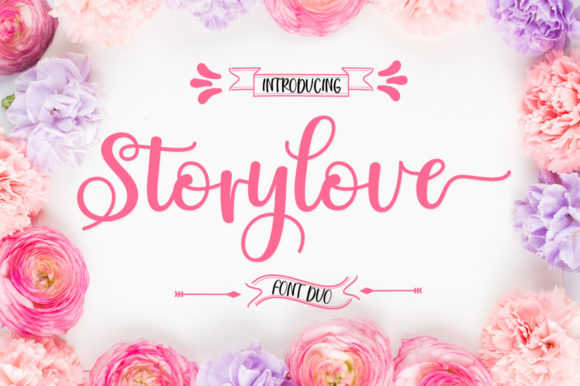
Story Love is a font duo that blends a smooth script with a minimalist sans serif. Together, they offer a balanced contrast that works beautifully in branding materials. The script has a gentle, handwritten feel, making it perfect for logos, packaging titles, or short promotional text. The sans serif, on the other hand, brings clarity and structure—ideal for supporting text, descriptions, or secondary messaging.
This font is especially useful for small businesses that want to feel both warm and professional. Whether you're designing a bakery box, a skincare label, or a boutique tag, Story Love adapts without losing its charm. It’s a premium font that feels intentional, not overdone.
How It Works in Real Business Materials
I’ve used Story Love across a variety of branding assets, and it consistently delivers. Here’s where it shines:
- Logo design – The script font gives a brand name a soft, memorable identity. It works especially well for lifestyle brands, wellness businesses, and creative studios.
- Packaging design – Paired with the sans serif, it helps create visual hierarchy. For example, a candle jar with “Lavender Relaxation” in script and “Hand-poured soy candle” in sans serif reads clearly and beautifully.
- Social media graphics – Whether for Instagram stories or Pinterest pins, Story Love adds a touch of elegance without compromising readability.
- Business cards and thank-you cards – The font’s personality makes handwritten-style notes feel genuine and professional.
It’s also PUA encoded, which means special characters and ligatures are easy to access, even if you’re not a design pro. That makes it a solid choice for anyone using design tools like Canva, Illustrator, or Photoshop.
Typography Matters More Than You Think
As a creative consultant, I often remind clients that typography is more than just picking a pretty font. It’s about brand perception and customer trust. A poorly chosen font can make even the best product look amateur. On the flip side, a thoughtful font choice—like Story Love—can elevate a brand’s presence across all touchpoints.
First impressions are often made in seconds, especially online. When a customer sees a beautifully designed label or a clean Instagram post, they subconsciously associate that quality with the product itself. That’s why choosing a display font like Story Love can make a big difference in how your brand is perceived.
When to Use Story Love (And When Not To)
Story Love works best for short-form text. It’s ideal for headlines, logo design, packaging titles, and decorative accents. However, it’s not meant for long paragraphs or body copy. That’s where font pairing comes in handy.
I often pair Story Love with a clean sans serif like Montserrat or Lato for supporting text. This creates a balanced, modern look that’s easy to read and visually appealing. If you’re going for a more elegant aesthetic, a serif font like Playfair Display can also complement Story Love beautifully.
Also, keep in mind that script fonts can sometimes be harder to read at small sizes. So if you're printing tiny labels or creating mobile thumbnails, test the font at actual size before finalizing your design. In most cases, Story Love holds up well—especially when used intentionally and at the right scale.
Practical Design Tips for Small Business Owners
If you're considering using Story Love for your brand, here are a few tips to make the most of it:
- Check the included styles – Make sure the font includes uppercase, lowercase, numbers, and punctuation. Some script fonts have limited character sets.
- Use alternates and ligatures – These add subtle variety and help avoid repetition in your text.
- Verify commercial licensing – Always confirm that the font can be used for your intended purpose, especially if you're selling products or offering design services to clients.
- Test across formats – See how the font looks printed, on mobile, and in digital ads. Story Love generally performs well in all formats, but it’s always good to double-check.
Also, remember that consistency is key. Once you choose a font like Story Love for your brand, stick with it across your packaging, social media, and print materials. This builds recognition and trust with your audience.